
Understanding XRP: The Cryptocurrency That’s Changing Global Finance
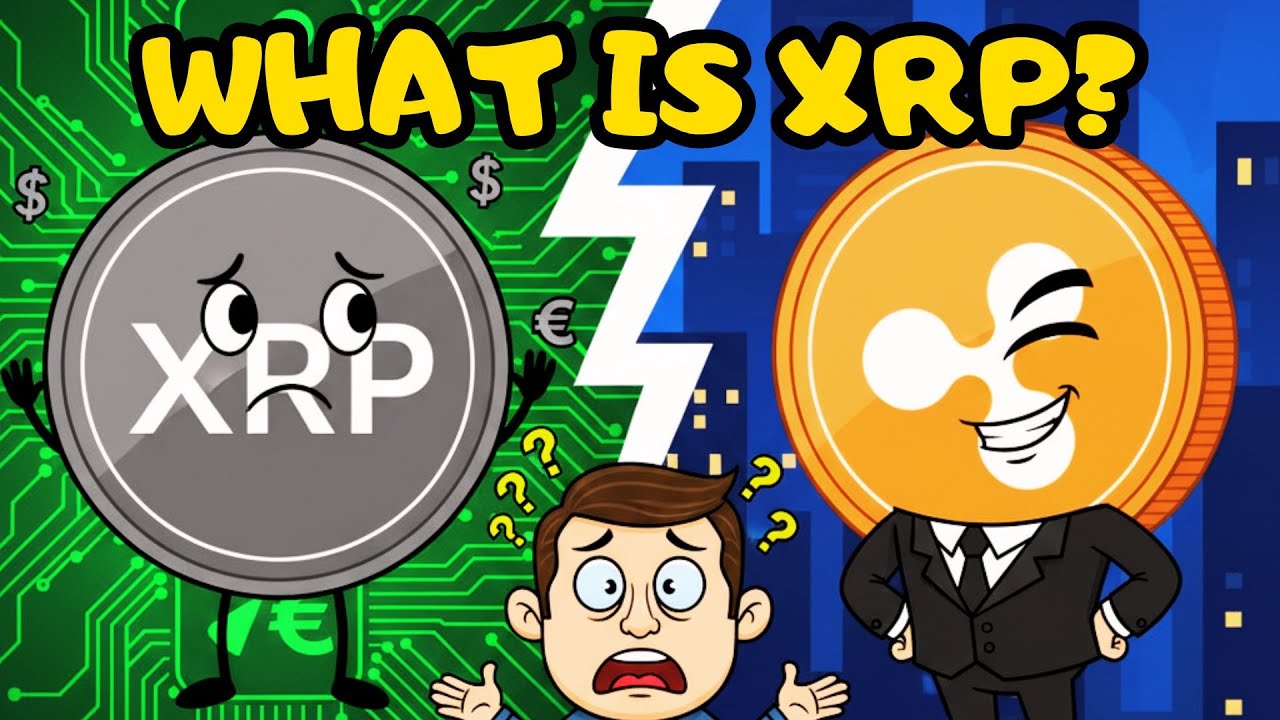
XRP has become a household name in the cryptocurrency world, often drawing attention for both its innovative technology and its turbulent legal battles. Some believe it could be the future of global banking, while others view it as merely a legal drama with volatile price movements. In the cryptocurrency high school, Bitcoin is the popular kid, Ethereum the creative genius, and XRP is that enigmatic transfer student continually in the principal's office. However, beneath the headlines lies a digital asset designed to facilitate global financial transactions. In this article, we will dissect XRP, the technology behind it, the infamous SEC lawsuit, and its implications for the future of finance.
What Is XRP and Ripple?
First, let’s clarify a common mix-up: XRP and Ripple are not the same. Ripple is the technology company that created XRP, its digital currency. Similarly, think of Disney as the corporation and Mickey Mouse as its iconic character. Ripple focuses on improving global payment systems, while XRP serves as a token to help expedite those transactions.
The Independence of XRP
One crucial point to understand is that XRP exists independently on its own blockchain called the XRP Ledger. If Ripple were to cease operations, the XRP Ledger would continue to function seamlessly. This independence poses interesting questions regarding the overall viability of XRP as a cryptocurrency, even amid Ripple's corporate circumstances.
The Problem XRP Aims to Solve
When transferring money internationally, you may have encountered the lengthy processes and hefty fees associated with traditional banking systems. Most global transactions today rely on the Swift network, which can be slow and cumbersome.
- Time-consuming: International transfers can take anywhere from two to five business days.
- High fees: The costs can significantly eat into your transfer.
- Poor exchange rates: Unfavorable rates can diminish the amount received.
Imagine mailing a letter and having each bank rewrite it before passing it along. This labor-intensive model is where XRP presents a fresh theory: What if transferring value felt as instantaneous as sending an email? XRP transactions confirm in just 3 to 5 seconds, with fees costing mere fractions of a penny. By automating the process through the XRP Ledger, transactions occur without each bank needing to approve every step. In essence, while Swift operates like a horse and carriage, XRP aims to revolutionize the process with a high-speed bullet train.
Technical Insights
Diving into the mechanics, XRP utilizes a consensus protocol instead of mining (like Bitcoin) or staking (like Ethereum). Here’s a simplified breakdown of how it works:
- Transaction initiation: You hit send.
- Network broadcasting: Your transaction is sent out to the network.
- Validation: Independent validators verify the transaction.
- Completion: Once confirmed, the transaction is finished in seconds.
This efficient model offers advantages such as low energy consumption compared to Bitcoin mining, making XRP an eco-friendly digital asset.
Addressing Centralization Criticism
A notable point of contention is that Ripple owns a substantial amount of XRP tokens. This raises concerns about the centralization of power and the potential for Ripple to affect market prices by selling off large quantities. However, keep in mind that the XRP Ledger's independent existence mitigates some of these concerns regarding Ripple's control.
The SEC Lawsuit: A Pivotal Moment
No discussion of XRP is complete without mentioning its legal battles with the U.S. Securities and Exchange Commission (SEC). In December 2020, the SEC sued Ripple, alleging it was selling XRP as an unregistered security, effectively treating it like company shares. This significant lawsuit left investors uncertain for years, especially as exchanges delisted XRP pending legal resolution.
However, in July 2023, a pivotal ruling occurred. While the court determined that XRP transactions on exchanges do not qualify as securities, direct sales from Ripple to institutional investors do. This partial victory led to XRP's return to major exchanges, resulting in a positive market response.
Fast forward to August 2025, and the lawsuit concludes with Ripple agreeing to a $125 million fine. As a result, there are now clearer regulations regarding XRP sales to institutions, while everyday traders enjoy a buoyed legal status, removing any lingering uncertainty.
The Resilient XRP Community
So, why do XRP enthusiasts remain so loyal despite controversies? Here are a few key factors attracting fans:
- Speed: Transactions complete in seconds.
- Cost: Transaction fees are minimal.
- Scale: The system can process thousands of transactions per second.
- Eco-friendliness: There's no reliance on energy-draining mining operations.
- Real-world utility: XRP addresses tangible issues in global payments.
- Legal clarity: After its legal challenges, XRP emerges with a more defined status.
Challenges Facing XRP
Despite the potential, XRP is not without its challenges.
- Centralization concerns: Ripple’s control over a large stash of XRP tempers the perception of it as a decentralized asset.
- Competition: Other cryptocurrencies, stablecoins, and even central bank digital currencies are vying for a share in the global payment market.
- Price volatility: The crypto market is notoriously volatile, and XRP is no different. Good or bad news can lead to swift price movements.
The Future of XRP: What Lies Ahead?
So, what’s next for XRP? With the lawsuit settled, Ripple is focusing on forging partnerships with banks, payment processors, and even central banks. If central banks continue to adopt digital currencies, XRP could play a pivotal role as a bridge asset between these currencies, facilitating seamless transactions across borders. The big question remains: will XRP truly become the leading solution for global payments?
As XRP continues to evolve post-lawsuit, it stands at an exciting juncture, possessing the potential to drive significant changes in how we think about financial transactions. Whether XRP will realize its ambitious vision remains to be seen, but it is undoubtedly better positioned today than it has been in years.
If you found this article helpful, consider sharing it with those who might benefit! Stay tuned for more insights on cryptocurrency and financial technology as they continue to develop!
Comments
Post a Comment